




If you’re a fan of online roulette, you’re in luck! In this comprehensive guide, we’ll cover everything you need to know about playing online roulette at top online casinos. With 15 years of experience playing online roulette, I’ll share expert tips, strategies, and insights to help you maximize your winnings and have the best possible online casino (more…)
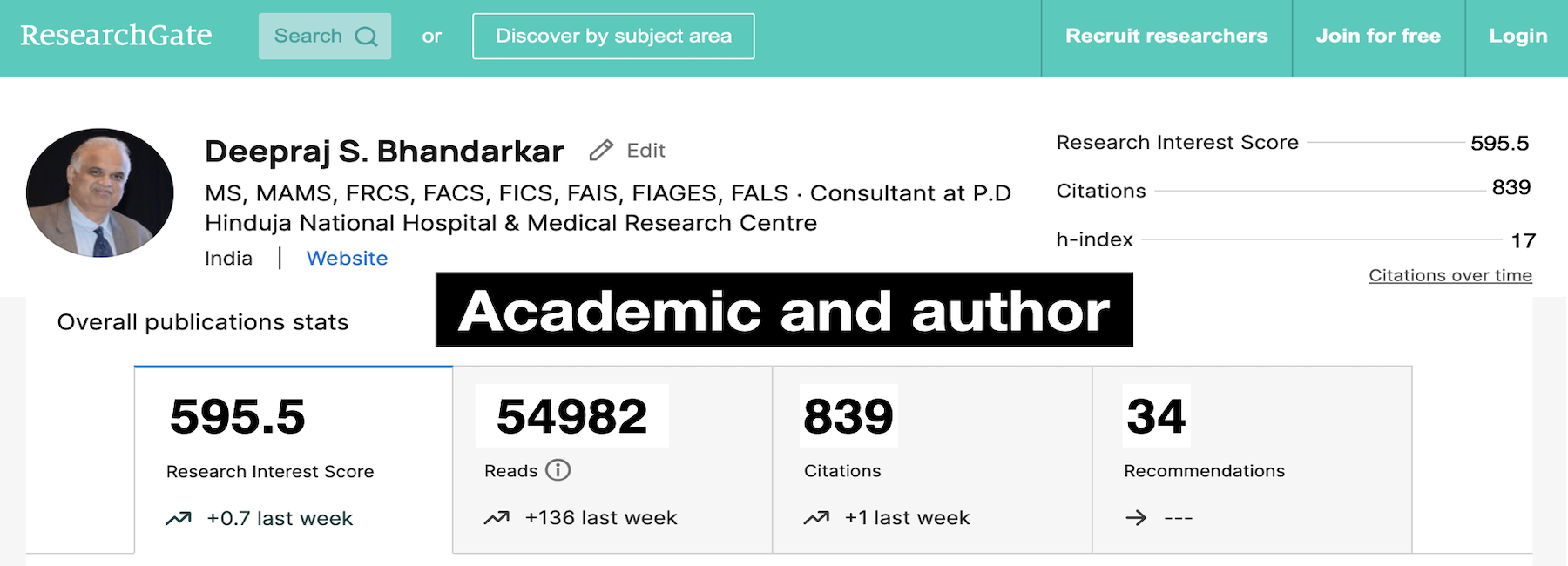
Author: drdeepraj_bhandarkar
The Road to World Cup 2026: Qualifiers Overview
Introduction
The FIFA World Cup 2026 is just around the corner, and national teams from around the globe are battling it out in the qualifiers to secure their spot in the prestigious tournament. With excitement building up, let’s take a closer look at the World Cup 2026 qualifiers and analyze the key contenders vying for a place in the biggest football event on the planet.
World Cup 2026 Qualifiers Format
The World Cup 2026 qualifiers feature a rigorous qualification process that spans several months and involves hundreds of matches. The qualifiers are divided into different regions, with each region having its own set of teams competing for a place in the final tournament.
Teams play a series of matches, with points awarded for wins, draws, and losses. The teams with the highest number of points in each region will secure their spot in the World Cup 2026.
Key Teams and Players
Several powerhouse teams are expected to dominate the World Cup 2026 qualifiers, including the likes of Brazil, Germany, France, Argentina, and Spain. These teams boast world-class players such as Neymar, Lionel Messi, Kylian Mbappe, and Cristiano Ronaldo, who are expected to shine on the road to the World Cup.
Additionally, emerging teams like Belgium, Portugal, England, and the Netherlands are also strong contenders to watch out for in the qualifiers, with promising young talents looking to make their mark on the international stage.
Group Stage Analysis
The group stage of the World Cup 2026 qualifiers is a crucial phase where teams battle it out against their group rivals to secure a spot in the knockout stage. Teams must showcase their tactical prowess, teamwork, and resilience to navigate through the group stage successfully.
Key matchups and head-to-head records will play a pivotal role in determining the group standings, with teams looking to capitalize on their strengths and exploit their opponents’ weaknesses to secure crucial points.
Performance Statistics
Performance statistics such as goals scored, goals conceded, possession statistics, shots on target, and expected goals (xG) will provide valuable insights into teams’ form and playing styles during the World Cup 2026 qualifiers. These metrics will help fans and analysts gauge teams’ offensive and defensive capabilities and predict their performance in upcoming matches.
Betting Tips and Odds Analysis
Football enthusiasts and Germany Liga3 outright odds bettors can leverage their knowledge of teams’ form, player statistics, and head-to-head records to make informed betting decisions on World Cup 2026 qualifiers. By analyzing betting markets, odds, and football predictions, bettors can maximize their chances of winning and capitalize on lucrative betting opportunities.
It’s essential to stay updated on the latest football news, match analysis, and expert insights to make strategic bets and stay ahead of the curve in the dynamic world of football betting.
Conclusion
The World Cup 2026 qualifiers promise to deliver thrilling matches, fierce competition, and unforgettable moments as national teams battle it out for a chance to compete in the prestigious tournament. With an array of powerhouse teams and emerging talents in the mix, football fans are in for a treat as the road to World Cup 2026 unfolds.
Enhanced Odds Offers: A Comprehensive Guide for Bettors
Enhanced odds offers are a popular type of promotion offered by many sportsbooks to attract new customers and retain existing ones. These offers give bettors the chance to place bets at higher odds than usual, leading to potentiall y higher winnings. In this expert article, we will delve deep into the world of enhanced odds offers, exploring their (more…)
Вип‑бонусы казино: как они работают и почему они важны для игроков
Вип‑бонусы – это специальные предложения, которые готовятся cathiestankevitchfoundation.co.uk только для тех игроков, которые уже доказали свою лояльность и активность.Они отличаются от обычных акций тем, что подбираются индивидуально, дают (more…)
Coronavirus disease 2019
COVID-19 is a contagious disease caused by the coronavirus SARS-CoV-2. In January 2020, the disease spread worldwide, resulting in the COVID-19 pandemic.
The symptoms of COVID‑19 can vary but often include fever,[7] fatigue, cough, breathing difficulties, loss of smell, and loss of taste.[8][9][10] Symptoms may begin one to fourteen days after exposure to the virus. At least a third of people who are infected do not develop noticeable symptoms.[11][12] Of those who develop symptoms noticeable enough to be classified as patients, most (81%) develop mild to moderate symptoms (up to mild pneumonia), while 14% develop severe symptoms (dyspnea, hypoxia, or more than 50% lung involvement on imaging), and 5% develop critical symptoms (respiratory failure, shock, or multiorgan dysfunction).[13] Older people have a higher risk of developing severe symptoms. Some complications result in death. Some people continue to experience a range of effects (long COVID) for months or years after infection, and damage to organs has been observed.[14] Multi-year studies on the long-term effects are ongoing.[15]
COVID‑19 transmission occurs when infectious particles are breathed in or come into contact with the eyes, nose, or mouth. The risk is highest when people are in close proximity, but small airborne particles containing the virus can remain suspended in the air and travel over longer distances, particularly indoors. Transmission can also occur when people touch their eyes, nose, or mouth after touching surfaces or objects that have been contaminated by the virus. People remain contagious for up to 20 days and can spread the virus even if they do not develop symptoms.[16]
Testing methods for COVID-19 to detect the virus’s nucleic acid include real-time reverse transcription polymerase chain reaction (RT‑PCR),[17][18] transcription-mediated amplification,[17][18][19] and reverse transcription loop-mediated isothermal amplification (RT‑LAMP)[17][18] from a nasopharyngeal swab.[20]
Several COVID-19 vaccines have been approved and distributed in various countries, many of which have initiated mass vaccination campaigns. Other preventive measures include physical or social distancing, quarantining, ventilation of indoor spaces, use of face masks or coverings in public, covering coughs and sneezes, hand washing, and keeping unwashed hands away from the face. While drugs have been developed to inhibit the virus, the primary treatment is still symptomatic, managing the disease through supportive care, isolation, and experimental measures.
Online Gambling Enterprise Slots: An Overview to the Exciting Globe of Online Gambling
Online gambling enterprise ports have ended up being profoundly preferred in the last few years, transforming the means individuals wager and appreciate casino games. These digital vending machine offer a practical and thrilling experience, enabling gamers dreamwins.gr to access a wide array of games from the convenience (more…)
The Founding of YouTube A Short History
YouTube is one of the most influential platforms in modern media, but its origin story is surprisingly simple: a small team wanted an easier way to share video online. In the early 2000s, uploading and sending video files was slow, formats were inconsistent, and most websites weren’t built for smooth playback. YouTube’s founders focused on removing those barriers—making video sharing as easy as sending a link.
Who Founded YouTube?
YouTube was founded by three former PayPal employees: Chad Hurley, Steve Chen, and Jawed Karim. They combined product thinking, engineering skills, and a clear user goal: create a website where anyone could upload a video and watch it instantly in a browser.
- Chad Hurley — product/design focus and early CEO role
- Steve Chen — engineering and infrastructure
- Jawed Karim — engineering and early concept support
The Problem YouTube Solved
At the time, sharing video often meant emailing huge files or dealing with complicated players and downloads. YouTube made video:
- Uploadable by non-experts (simple interface)
- Streamable in the browser (no special setup)
- Sharable through links and embedding on other sites
Early Growth and the First Video
YouTube launched publicly in 2005. One of the most famous early moments was the first uploaded video, “Me at the zoo,” featuring co-founder Jawed Karim. The clip was short and casual—exactly the kind of everyday content that proved the platform’s big idea: ordinary people could publish video without needing a studio.
Key Milestones Timeline
| 2005 | YouTube is founded and launches | Introduced easy browser-based video sharing |
| 2005 | “Me at the zoo” is uploaded | Became a symbol of user-generated video culture |
| 2006 | Google acquires YouTube | Provided resources to scale hosting and global reach |
Why Google Bought YouTube
By 2006, YouTube’s traffic was exploding. Video hosting is expensive—bandwidth and storage costs rise fast when millions of people watch content daily. Google’s acquisition gave YouTube the infrastructure and advertising ecosystem to grow into a sustainable business.
What YouTube’s Founding Changed
YouTube didn’t just create a popular website; it reshaped how people learn, entertain themselves, and build careers online. Its founding helped accelerate:
- Creator-driven media and influencer culture
- How-to education and free tutorials at massive scale
- Music discovery, commentary, and global community trends
From a small startup idea to a global video powerhouse, YouTube’s founding is a classic example of a simple product solving a real problem—and changing the internet in the process.
The Founding of YouTube A Short History
YouTube is one of the most influential platforms in modern media, but its origin story is surprisingly simple: a small team wanted an easier way to share video online. In the early 2000s, uploading and sending video files was slow, formats were inconsistent, and most websites weren’t built for smooth playback. YouTube’s founders focused on removing those barriers—making video sharing as easy as sending a link.
Who Founded YouTube?
YouTube was founded by three former PayPal employees: Chad Hurley, Steve Chen, and Jawed Karim. They combined product thinking, engineering skills, and a clear user goal: create a website where anyone could upload a video and watch it instantly in a browser.
- Chad Hurley — product/design focus and early CEO role
- Steve Chen — engineering and infrastructure
- Jawed Karim — engineering and early concept support
The Problem YouTube Solved
At the time, sharing video often meant emailing huge files or dealing with complicated players and downloads. YouTube made video:
- Uploadable by non-experts (simple interface)
- Streamable in the browser (no special setup)
- Sharable through links and embedding on other sites
Early Growth and the First Video
YouTube launched publicly in 2005. One of the most famous early moments was the first uploaded video, “Me at the zoo,” featuring co-founder Jawed Karim. The clip was short and casual—exactly the kind of everyday content that proved the platform’s big idea: ordinary people could publish video without needing a studio.
Key Milestones Timeline
| 2005 | YouTube is founded and launches | Introduced easy browser-based video sharing |
| 2005 | “Me at the zoo” is uploaded | Became a symbol of user-generated video culture |
| 2006 | Google acquires YouTube | Provided resources to scale hosting and global reach |
Why Google Bought YouTube
By 2006, YouTube’s traffic was exploding. Video hosting is expensive—bandwidth and storage costs rise fast when millions of people watch content daily. Google’s acquisition gave YouTube the infrastructure and advertising ecosystem to grow into a sustainable business.
What YouTube’s Founding Changed
YouTube didn’t just create a popular website; it reshaped how people learn, entertain themselves, and build careers online. Its founding helped accelerate:
- Creator-driven media and influencer culture
- How-to education and free tutorials at massive scale
- Music discovery, commentary, and global community trends
From a small startup idea to a global video powerhouse, YouTube’s founding is a classic example of a simple product solving a real problem—and changing the internet in the process.