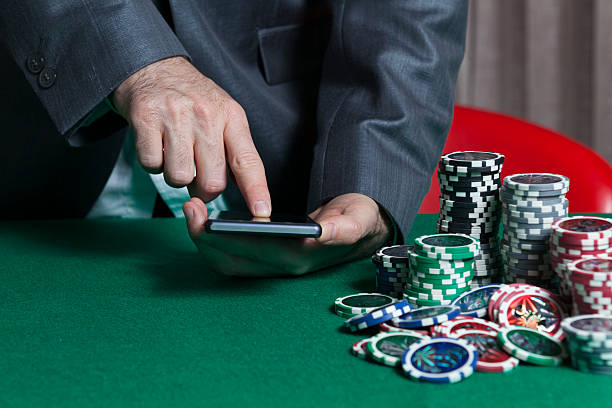





The social impact of gambling Unraveling the hidden consequences on communities

The social impact of gambling Unraveling the hidden consequences on communities

Understanding Gambling’s Societal Role

Gambling has long been a part of human culture, evolving from ancient rituals to modern casinos and online platforms. Its societal role can be seen in various forms, from local bingo halls to high-stakes poker games, all of which foster community interaction. The dazzling world of online gaming has opened avenues like Penalty Nations Cup, drawing in enthusiasts while simultaneously raising questions about its impact on social structures, particularly concerning how it alters relationships within families and communities.

Community bonding often occurs in venues where gambling is a central activity. Social events centered around betting can promote camaraderie among participants, allowing for shared experiences and collective excitement. Yet, this communal atmosphere can mask underlying problems, such as addiction and financial strain, which may go unnoticed until they reach critical levels. The duality of gambling as a source of social engagement and potential distress is central to understanding its societal implications.

The presence of gambling establishments in a community can also shift economic dynamics. While they create jobs and draw tourism, they can simultaneously divert funds from local businesses and services. Community leaders face the challenge of balancing the economic benefits against the potential for increased crime, as gambling-related issues may lead to a rise in theft, fraud, and other criminal activities. This delicate balance underscores the complexity of gambling’s impact on social structures.

The Psychological Effects of Gambling

The psychological impact of gambling can be profound, affecting not just individuals but entire families. Those who develop a gambling addiction may experience heightened levels of stress and anxiety, leading to strained relationships with loved ones. The emotional rollercoaster associated with gambling—marked by wins and losses—can create an unstable mental state, further exacerbating issues of depression and isolation.

Moreover, the stigma surrounding gambling addiction often prevents individuals from seeking help. Many suffer in silence, fearing judgment or alienation from their social circles. This lack of support can perpetuate a cycle of addiction that ultimately harms not just the individual but their families and communities as well. Understanding this psychological aspect is essential for developing effective support systems.

Research indicates that communities with a higher prevalence of gambling establishments often report increased rates of mental health issues, including anxiety and depression. This correlation suggests that the social costs of gambling can be far-reaching, affecting public health resources and requiring a community-wide response. Addressing these psychological effects is crucial for mitigating the overall social impact of gambling.

The Economic Implications of Gambling

The economic implications of gambling extend beyond the immediate financial transactions involved in betting. While proponents argue that gambling generates tax revenue and jobs, critics point to the potential for economic harm. For many individuals, gambling can lead to financial ruin, affecting their ability to provide for themselves and their families, ultimately placing additional strain on community resources.

Moreover, the paradox of gambling-related economic benefits often lies in the displacement effect. Money spent on gambling may detract from local businesses and essential services, such as education and healthcare. Communities might see a short-term financial boost, but the long-term consequences can lead to economic instability, increasing reliance on social services to support those affected by gambling-related problems.

The economic landscape shaped by gambling is further complicated by issues of inequality. Vulnerable populations may be more susceptible to the lure of gambling as a means to escape financial difficulties. This can perpetuate a cycle of poverty, where individuals are drawn into gambling in the hope of a quick financial fix, only to find themselves in deeper debt. Analyzing these economic dimensions is vital for grasping the comprehensive impact of gambling on communities.

Community Responses and Support Systems

Communities around the world are increasingly recognizing the need to address the social consequences of gambling. Many are developing support systems aimed at both prevention and recovery for those affected by gambling addiction. These initiatives often include educational programs that raise awareness about the risks associated with gambling, as well as resources for those seeking help.

Furthermore, community organizations are beginning to collaborate with local governments to implement regulations that mitigate the adverse effects of gambling. These regulations might include limitations on the number of gambling establishments in an area or programs that require casinos to contribute to local social services. By proactively addressing the issue, communities can foster a healthier environment that prioritizes well-being over short-term economic gains.

Support networks, including counseling and support groups, are essential in helping individuals and families navigate the challenges posed by gambling addiction. These initiatives not only provide immediate assistance but also foster a sense of community and understanding among those affected. As awareness of the social impacts of gambling continues to grow, these community-led efforts will become increasingly vital in addressing the complexities involved.

Exploring Online Gambling and Its Impact

The rise of online gambling has transformed the landscape of betting, introducing new challenges and consequences for communities. Unlike traditional gambling, online platforms are accessible 24/7, making it easier for individuals to engage in risky behaviors without the social constraints typically found in physical venues. This round-the-clock availability can exacerbate issues of addiction and isolation, as individuals may feel even more disconnected from the community.

The anonymity provided by online gambling can further complicate the social dynamics at play. Many individuals may feel less accountable for their actions when betting online, leading to riskier behavior and larger financial losses. This detachment can hinder community response efforts, as it becomes difficult to identify those in need of support when gambling occurs behind closed screens.

Despite these challenges, online gambling also offers unique opportunities for community engagement and support. Online platforms can implement responsible gambling features, such as self-exclusion tools and educational resources. By leveraging technology to promote awareness and healthy habits, there is potential for communities to address the hidden consequences of gambling in a more proactive manner.

Mitos comunes sobre el juego que debes dejar de creer

Mitos comunes sobre el juego que debes dejar de creer

El azar siempre determina el resultado

Una de las creencias más extendidas sobre el juego es que todo depende exclusivamente del azar. Si bien el azar juega un papel importante, especialmente en juegos como la ruleta o las tragamonedas, existe una gama de estrategias que pueden influir en los resultados. Por ejemplo, en juegos de cartas como el póker, la habilidad y la experiencia son factores cruciales que pueden marcar la diferencia entre ganar y perder. Además, es importante que los interesados consulten recursos como https://casea.es/ para mejorar su comprensión del juego y sus técnicas.

Además, es esencial mencionar que no todos los juegos son puramente aleatorios. En juegos como el blackjack, la estrategia del jugador puede reducir la ventaja de la casa. Comprender las matemáticas detrás de cada juego, como las probabilidades de ganar, permite a los jugadores tomar decisiones informadas. Por tanto, dejar de lado la creencia de que el azar lo es todo puede ayudar a los jugadores a adoptar una mentalidad más estratégica.

Por último, la noción de que el azar es el único factor puede llevar a una falta de preparación y estudio del juego. Muchos jugadores novatos asumen que cualquier esfuerzo para mejorar sus habilidades es irrelevante. Esta creencia errónea puede resultar en pérdidas significativas, mientras que aquellos que se dedican a aprender y practicar pueden tener más éxito a largo plazo.

No se puede ganar en los casinos

Otra idea errónea es que es imposible ganar en un casino, lo que desanima a muchos jugadores a intentarlo. Si bien es cierto que los casinos tienen una ventaja matemática sobre el jugador, esto no significa que no se pueda ganar. Muchos jugadores han logrado obtener ganancias sustanciales mediante la combinación de estrategia, habilidad y gestión del bankroll. El hecho de que algunos jugadores pierdan no implica que todos lo hagan, ya que hay historias de éxito en el ámbito del juego.

Además, algunos juegos permiten aplicar técnicas que pueden aumentar las probabilidades de ganar. Por ejemplo, los jugadores de blackjack pueden usar estrategias de conteo de cartas para obtener una ventaja sobre la casa. Aunque esta práctica es controvertida y no siempre bien vista por los casinos, muestra que la preparación y el conocimiento pueden contribuir a obtener ganancias.

Por otra parte, es importante entender que el juego debe ser visto como una forma de entretenimiento y no como un medio para hacer dinero. En este sentido, es fundamental tener expectativas realistas y jugar de manera responsable. Al hacerlo, no solo se puede disfrutar del juego, sino también se pueden experimentar momentos de victoria que desafían la creencia de que siempre se pierde.

Los jugadores profesionales siempre ganan

La idea de que los jugadores profesionales siempre ganan es otro mito que puede ser engañoso. Aunque es cierto que los jugadores experimentados tienen más probabilidades de ganar, esto no garantiza el éxito en cada sesión de juego. Aun los mejores jugadores sufren pérdidas y enfrentan desafíos. La variabilidad inherente al juego hace que sea imposible predecir resultados en todas las circunstancias.

Además, ser un jugador profesional implica dedicación y estudio constante. La mayoría de estos jugadores pasan horas analizando estrategias, estudiando adversarios y practicando en diferentes situaciones. Este compromiso es lo que les permite mejorar y adaptarse a las circunstancias cambiantes del juego. Por lo tanto, la creencia de que solo por ser profesional se garantiza ganar, ignora la complejidad del juego y el esfuerzo necesario para tener éxito.

Por último, los jugadores profesionales deben gestionar su bankroll de manera efectiva y mantenerse emocionalmente equilibrados durante el juego. La presión puede afectar el rendimiento, y es crucial que comprendan sus límites. La noción de que siempre se gana lleva a muchos a ignorar estas realidades, lo que puede resultar en decisiones poco acertadas y pérdidas significativas.

Los sistemas de apuestas garantizan ganancias

Un mito común entre los jugadores es la creencia en sistemas de apuestas que prometen ganancias garantizadas. Muchos creen que siguiendo un patrón específico o aumentando las apuestas después de cada pérdida, pueden asegurar una victoria eventual. Sin embargo, estas estrategias a menudo carecen de fundamento y pueden llevar a pérdidas sustanciales. Los sistemas de apuestas no alteran la probabilidad de ganar y, en muchos casos, pueden resultar en la pérdida del bankroll rápidamente.

Es importante recordar que cada apuesta es independiente, lo que significa que los resultados anteriores no influyen en los futuros. Esta creencia errónea puede llevar a muchos jugadores a seguir apostando con la esperanza de recuperar pérdidas, lo que puede resultar en un ciclo de pérdidas. La gestión del bankroll y el establecimiento de límites son mucho más efectivos que seguir un sistema de apuestas infalible.

Finalmente, la mayoría de los jugadores que confían en estos sistemas terminan decepcionados. Aunque pueden ofrecer una ilusión de control, la realidad es que el juego sigue siendo un riesgo. La educación sobre probabilidades y el comportamiento responsable son esenciales para disfrutar del juego sin caer en la trampa de los sistemas engañosos.

La seguridad en el juego en línea

Con el auge de los casinos en línea, muchos usuarios han comenzado a preocuparse por la seguridad de sus datos y transacciones. Sin embargo, es fundamental entender que la mayoría de los sitios de juego serios implementan altos estándares de seguridad para proteger a sus usuarios. Esto incluye el uso de tecnología de encriptación avanzada que resguarda la información personal y financiera, reduciendo el riesgo de ataques cibernéticos.

A pesar de estas medidas, algunos jugadores pueden experimentar bloqueos de acceso debido a patrones de comportamiento que pueden ser considerados sospechosos por los sistemas de seguridad de los sitios. Para resolver estas situaciones, es recomendable contactar directamente al soporte del sitio y proporcionar detalles sobre el problema. Esto no solo ayuda a aclarar la situación, sino que también garantiza que el usuario pueda seguir disfrutando de su experiencia de juego de manera segura.

Por último, es crucial que los jugadores se informen sobre las políticas de seguridad de los sitios en los que eligen jugar. Al comprender las medidas que se han tomado para proteger a los usuarios, pueden disfrutar del juego en línea con mayor tranquilidad. La educación sobre la seguridad en el juego online es fundamental para garantizar una experiencia agradable y segura.

Tendințe recente în industria jocurilor de noroc Ce ne rezervă viitorul

Tendințe recente în industria jocurilor de noroc Ce ne rezervă viitorul

Impactul tehnologiei asupra jocurilor de noroc

Industria jocurilor de noroc a evoluat considerabil datorită avansurilor tehnologice. Aceste inovații nu numai că au îmbunătățit experiența utilizatorului, dar au și transformat modul în care jucătorii interacționează cu platformele de joc. De exemplu, utilizarea realității virtuale (VR) permite crearea unor medii de joc imersive, care oferă o experiență asemănătoare cu cea a cazinourilor fizice, dar din confortul propriei case. De asemenea, jucătorii pot accesa https://elite-slot.ro/ pentru a descoperi oportunități interesante de joc online.

De asemenea, tehnologia mobilă a jucat un rol crucial. Odată cu creșterea utilizării smartphone-urilor, platformele de jocuri de noroc online s-au adaptat, oferind aplicații dedicate care permit accesul rapid și ușor la jocuri. Acest lucru nu doar că atrage un public mai tânăr, dar și îmbunătățește accesibilitatea pentru toți utilizatorii, indiferent de locația geografică.

Pe lângă acestea, inteligența artificială (IA) este din ce în ce mai folosită pentru a personaliza experiența jucătorului. Aceasta poate analiza comportamentele utilizatorilor și poate oferi sugestii personalizate, ajutând jucătorii să descopere noi jocuri care să le capteze interesul. În viitor, așteptăm să vedem și mai multe aplicații ale IA în prevenirea dependenței de jocuri de noroc, prin identificarea semnelor timpurii ale problemelor.

Jocurile de noroc online vs. jocurile de noroc offline

Un aspect esențial în evoluția industriei jocurilor de noroc este diferența dintre jocurile online și cele offline. Deși cazinourile tradiționale au un farmec aparte, jocurile de noroc online oferă o comoditate inegalabilă. Jucătorii pot accesa o gamă variată de jocuri la orice oră din zi, fără a fi nevoie să se deplaseze. Acest aspect este din ce în ce mai atractiv pentru tineretul de azi, care valorifică timpul și confortul.

Totodată, online-ul permite operatorilor să ofere o diversitate mai mare de jocuri, cum ar fi sloturi cu teme inovatoare, jocuri de masă variate și opțiuni de live casino. Această diversitate nu este ușor de întâlnit în cazinourile fizice, unde selecția poate fi limitată de spațiul disponibil. Astfel, jucătorii au posibilitatea de a experimenta jocuri noi și interesante, fără restricții.

Un alt avantaj al jocurilor online este transparența și siguranța. Platformele moderne utilizează tehnologii avansate de criptare pentru a proteja datele utilizatorilor. Acest lucru oferă un sentiment de siguranță jucătorilor, care pot paria fără griji. În contrast, jocurile de noroc offline pot aduce riscuri de securitate mai mari, mai ales în ceea ce privește gestionarea banilor în numerar.

Reglementări și responsabilitate în jocurile de noroc

Pe măsură ce industria jocurilor de noroc evoluează, la fel și reglementările care o înconjoară. Autoritățile din întreaga lume devin din ce în ce mai conștiente de impactul jocurilor de noroc asupra societății. Astfel, s-au implementat reguli stricte menite să protejeze jucătorii, asigurându-se că aceștia au acces la informații clare și că sunt încurajați să joace responsabil.

De asemenea, există o tendință crescută de a utiliza tehnologia pentru a promova jocul responsabil. Multe platforme online includ funcții care permit utilizatorilor să își stabilească limite de depunere, timp de joc și pierderi. Aceste măsuri sunt esențiale pentru a preveni dependența de jocuri de noroc și pentru a oferi un mediu de joc mai sănătos.

În plus, campaniile de conștientizare devin din ce în ce mai frecvente, informând publicul despre riscurile jocurilor de noroc și oferind resurse pentru cei care simt că ar putea avea o problemă. Colaborările dintre operatori, organizații non-guvernamentale și autorități sunt esențiale pentru a construi un ecosistem de jocuri de noroc responsabil și sigur.

Inovații în jocurile de noroc

Inovațiile în domeniul jocurilor de noroc nu se opresc doar la tehnologia utilizată, ci și la experiența utilizatorului. De exemplu, jocurile pe baza de blockchain oferă un nou model de transparență, asigurându-se că toate tranzacțiile sunt înregistrate și nu pot fi modificate. Acest lucru crește încrederea jucătorilor în platformele online, care devin tot mai populare.

În plus, integrarea criptomonedelor ca metodă de plată este în plină expansiune. Jucătorii caută din ce în ce mai mult opțiuni care să le permită să efectueze tranzacții rapide și sigure, iar criptomonedele oferă această oportunitate. Această tendință nu numai că facilitează tranzacțiile, dar și atrage o nouă bază de clienți, care preferă utilizarea monedelor digitale.

Mai mult, conceptul de jocuri sociale câștigă teren, unde jucătorii pot interacționa între ei în timp real. Aceasta aduce un element de comunitate în jocurile de noroc, făcându-le mai atractive. Prin organizarea de turnee și competiții, platformele online reușesc să mențină interesul jucătorilor și să creeze un mediu de joc dinamic.

EliteSlots: O experiență de joc de neuitat

EliteSlots este o platformă dedicată pasionaților de jocuri de noroc din România, care îmbină inovația cu siguranța. Cu o selecție variată de jocuri de cazino și opțiuni de pariuri sportive, aceasta reușește să ofere o experiență adaptată nevoilor utilizatorilor. Platforma dispune de un mediu sigur, unde jucătorii pot explora jocuri captivante, de la sloturi la jocuri de masă.

În plus, EliteSlots promovează jocul responsabil, oferind resurse și asistență pentru utilizatori. Cu bonusuri atractive și rotiri gratuite, platforma reușește să atragă noi jucători, menținându-și în același timp o comunitate activă și implicată. Asistența clienților este un aspect deosebit de important, asigurându-se că orice întrebare sau problemă este rezolvată rapid.

În concluzie, EliteSlots se dovedește a fi un lider în industria jocurilor de noroc online, având la bază inovație, responsabilitate și o experiență de utilizare plăcută. Pe măsură ce tendințele în industria jocurilor de noroc continuă să evolueze, platforma se angajează să rămână la curent cu cele mai noi tehnologii și cerințe ale utilizatorilor.

Важливість усвідомлення проблеми азартних ігор у сучасному суспільстві

Важливість усвідомлення проблеми азартних ігор у сучасному суспільстві

Соціальна природа азартних ігор

Азартні ігри мають глибоке коріння в соціальному житті людей. Вони традиційно асоціюються з розвагою, конкуренцією і спілкуванням, але в сучасному суспільстві їхня природа змінилася. Сьогодні азартні ігри стали більш доступними завдяки інтернет-технологіям. Багато людей грають на мобільних пристроях, що дозволяє сприймати азартні ігри не лише як хобі, а й як спосіб отримання швидких грошей. Особливо важливо вивчити різні стратегії для тих, хто хоче грати у казино, і через на цьому сайті можна знайти корисні поради.

Проте така доступність ставить під загрозу не лише фінансову стабільність гравців, але й їхнє психічне здоров’я. Залежність від азартних ігор може призвести до емоційних і соціальних проблем, які часто залишаються непоміченими. Суспільство має звернути увагу на ці проблеми, щоб не допустити їхнього подальшого розвитку.

Таким чином, важливо усвідомлювати, що азартні ігри — це не просто форма розваги, а явище, яке потребує уважного дослідження. Соціальні наслідки від азартних ігор можуть бути значними, і суспільство повинно знайти способи для зниження ризиків, пов’язаних із цим явищем.

Психологічні наслідки азартних ігор

Гравці, які потрапляють у пастку азартних ігор, часто стикаються з численними психологічними проблемами. Залежність від азартних ігор може викликати депресію, тривогу та інші розлади психіки. Люди, які витрачають великі суми на ставки, можуть переживати почуття провини і сорому, що лише підсилює їхню залежність.

Окрім цього, багато гравців вважають, що азартні ігри є єдиним шляхом до фінансового успіху. Це хибне переконання може призвести до серйозних фінансових втрат і навіть банкрутства. Психологічний аспект проблеми азартних ігор вимагає спеціального підходу з боку фахівців, які можуть допомогти людям подолати цю залежність.

Суспільство повинно усвідомлювати не лише фінансові, але й психологічні наслідки азартних ігор. Це дозволить створити середовище, де люди зможуть отримати необхідну допомогу і підтримку у боротьбі з цією залежністю, а також виховувати наступні покоління у свідомому ставленні до азартних ігор.

Правові та етичні аспекти азартних ігор

Правове регулювання азартних ігор залишається однією з найбільш суперечливих тем у суспільстві. Багато країн намагаються знайти баланс між легалізацією азартних ігор для отримання податкових надходжень та захистом громадян від негативних наслідків. У деяких випадках закони залишаються недостатньо жорсткими, що дозволяє експлуатувати вразливі верстви населення.

Етичний аспект азартних ігор також викликає занепокоєння. Реклама казино та онлайн-платформ часто заохочує людей до гри, не повідомляючи про можливі ризики. Це може створити ілюзію безвідповідальності та безкарності, що підриває моральні засади суспільства.

Зважаючи на ці виклики, суспільству слід активно обговорювати етичні питання, пов’язані з азартними іграми, та працювати над правовим регулюванням, яке може знизити негативні впливи. Чіткі закони та етичні норми можуть стати важливими інструментами для захисту громадян і зменшення випадків залежності.

Вплив технологій на азартні ігри

Сучасні технології радикально змінили обличчя азартних ігор. Інтернет дозволив створити доступні платформи, де кожен бажаючий може грати в будь-який час і з будь-якого місця. Це значно спростило процес гри, але й підвищило ризики залежності. Гравці можуть грати без жодних перерв, що призводить до збільшення витрат та втрати контролю.

Крім того, технології відкривають нові можливості для шахрайства та маніпуляцій. Зловмисники можуть використовувати складні алгоритми для обману гравців, що створює додаткові ризики. Тому важливо, щоб платформи для азартних ігор забезпечували високий рівень безпеки та захисту даних користувачів.

Врахування технологічних аспектів азартних ігор є необхідним для розуміння їх впливу на суспільство. Суспільство має бути обізнаним про можливі загрози, пов’язані з новими технологіями, та шукати способи захисту від них.

Роль освіти та просвіти в усвідомленні проблеми азартних ігор

Освіта та просвіта є ключовими елементами в боротьбі з проблемами, пов’язаними з азартними іграми. Інформування громадськості про ризики та наслідки азартних ігор може суттєво знизити рівень залежності. Школи, університети та інші освітні установи повинні впроваджувати програми, які навчать молодь свідомо ставитися до азартних ігор.

Також важливо, щоб інформація про азартні ігри була доступною для всіх верств населення. Проведення семінарів, лекцій і тренінгів може допомогти людям усвідомити проблеми, пов’язані з азартними іграми, а також навчити їх розпізнавати ознаки залежності у себе та оточуючих.

Важливість освіти в цій сфері неможливо переоцінити. Залучення спеціалістів у питаннях азартних ігор до освітніх програм може стати важливим кроком на шляху до зменшення негативних наслідків цього явища. Чим більше суспільство буде обізнане, тим легше буде подолати проблеми, пов’язані з азартними іграми.

Historia kasyn Jak powstały miejsca rozrywki pełne emocji

Historia kasyn Jak powstały miejsca rozrywki pełne emocji

Początki kasyn w historii

Historia kasyn sięga starożytności, kiedy to rozrywka związana z grami hazardowymi zyskiwała popularność w różnych kulturach. Już w starożytnym Rzymie czy Grecji organizowano zawody, które często były połączone z zakładami. Granie w kości, karty czy inne formy gier towarzyszyły ludziom na przestrzeni wieków, stanowiąc ważny element życia społecznego. Również w Chinach zrodziły się pierwsze formy gier losowych, co pokazuje, że hazard był obecny w różnych częściach świata. O nowoczesnych opcjach płatności, takich jak Kasyno BLIK Polska, coraz częściej mówi się w kontekście współczesnych graczy.

W średniowieczu, w Europie, zakazy dotyczące hazardu były powszechne. Wiele krajów, w tym Anglia i Francja, wprowadzało restrykcje, które jednak nie zniechęcały graczy. W XVIII wieku, gdy zakazy zaczęły być łagodzone, powstały pierwsze formalne kasyna. Otworzenie kasyna w Wenecji w 1638 roku uznawane jest za punkt zwrotny, który zapoczątkował rozwój nowoczesnych miejsc hazardowych.

W XIX wieku, kasyna zaczęły się rozwijać na dużą skalę, a ich popularność wzrosła wśród elit społecznych. W tym czasie w Europie powstały liczne luksusowe ośrodki, w tym Monte Carlo, które przyciągały graczy z całego świata. Nowe przepisy prawne zaczęły regulować działalność kasyn, co wprowadziło większe bezpieczeństwo i przejrzystość w branży. Równocześnie, rozwijały się różne formy gier, co sprawiło, że kasyna stały się bardziej różnorodne i atrakcyjne dla graczy.

Kasyna w czasach nowoczesnych

W XX wieku kasyna weszły w nową erę dzięki rozwojowi technologii oraz zmianom społecznym. W Stanach Zjednoczonych, szczególnie w Las Vegas, powstały gigantyczne kompleksy rozrywkowe, które oferowały nie tylko gry hazardowe, ale także koncerty, występy teatralne i luksusowe hotele. To sprawiło, że kasyna stały się miejscem, gdzie można było spędzać czas w towarzystwie, a nie tylko grać. W ten sposób przemieniły się w centra rozrywki.

W Europie również zaczęto modernizować kasyna, wprowadzając nowoczesne technologie, takie jak automaty do gier. Wzrastała konkurencja, co zmusiło operatorów do inwestowania w innowacje. Dzięki temu, kasyna zaczęły oferować graczom różnorodne opcje rozrywki, w tym gry online, co przyciągało nową klientelę. Kasyna stały się bardziej dostępne, a wprowadzenie internetowego hazardu zrewolucjonizowało branżę, zmieniając sposób, w jaki ludzie grają.

Obecnie kasyna oferują różnorodne doświadczenia, od tradycyjnych gier stołowych po nowoczesne automaty i platformy online. Kasyna online zyskały na popularności, umożliwiając graczom dostęp do gier w dowolnym miejscu i czasie. Wiele osób korzysta z mobilnych aplikacji, co czyni grę bardziej dostępną. Dzięki temu, kasyna stały się nie tylko miejscem hazardu, ale również przestrzenią społecznych interakcji.

Wkład znanych graczy w historię kasyn

Znani gracze i celebryci odegrali istotną rolę w popularyzacji kasyn. Postacie takie jak Edward Thorp, który opracował strategie dla gier karcianych, czy zmieniający zasady gry w blackjacka, pokazali, że umiejętność i strategia mogą wpływać na wyniki w grach hazardowych. Thorp stał się ikoną, inspirując rzesze graczy, którzy zaczęli stosować jego metody w kasynach na całym świecie.

Innym przykładem jest pokerzysta Phil Ivey, który zdobył reputację jednego z najlepszych graczy w historii pokera. Jego sukcesy przyciągnęły uwagę mediów i uczyniły pokera bardziej popularnym, co spowodowało wzrost liczby graczy w kasynach. Tego rodzaju postacie pokazują, że hazard to nie tylko gra losowa, ale również sztuka, w której umiejętności mogą przynieść sukces.

Wielu celebrytów, od aktorów po sportowców, również angażuje się w hazard, co wpływa na postrzeganie kasyn jako miejsc rozrywki. Działa to na korzyść kasyn, które zyskują prestiż dzięki związkom z popularnymi osobami. Takie powiązania nie tylko zwiększają zainteresowanie kasynami, ale również przyciągają nowych graczy, którzy chcą doświadczyć atmosfery pełnej emocji, jaką oferują te miejsca.

Bezpieczeństwo i regulacje w kasynach

Bezpieczeństwo w kasynach jest kluczowym elementem, który zyskał na znaczeniu wraz z rozwojem branży. Wprowadzenie regulacji prawnych w wielu krajach ma na celu ochronę graczy oraz zapewnienie uczciwości w grach. Właściciele kasyn muszą przestrzegać określonych zasad, które dotyczą licencjonowania, kontroli gier i zapobiegania oszustwom. Dzięki temu, gracze mogą czuć się bezpieczniej, co zachęca ich do korzystania z usług kasyn.

Wzrost popularności kasyn online stawia nowe wyzwania w zakresie bezpieczeństwa. Właściciele platform muszą inwestować w technologie szyfrowania danych oraz zabezpieczenia transakcji, aby chronić osobiste informacje graczy. Równocześnie, ważne jest, aby zapewnić uczciwe warunki gry, co jest możliwe dzięki audytom i certyfikatom wydawanym przez niezależne organizacje. Te środki zyskują na znaczeniu w dobie rosnącej liczby graczy online.

W Polsce również wprowadzane są regulacje dotyczące kasyn, co ma na celu zwiększenie bezpieczeństwa i przejrzystości w branży. Właściwe organy kontrolne monitorują działalność kasyn, co pozwala na eliminację nieuczciwych praktyk. Gracze mogą czuć się pewniej, korzystając z regulowanych kasyn, a to z kolei wpływa na rozwój całego rynku gier hazardowych w Polsce.

Kasyna online – nowa era hazardu

Kasyna online to fenomen, który zrewolucjonizował sposób, w jaki ludzie grają w gry hazardowe. Dzięki technologii internetowej, gracze zyskują dostęp do ogromnej liczby gier z dowolnego miejsca na świecie. W 2023 roku, liczba graczy korzystających z platform online rośnie, co przyczynia się do rozwoju tego sektora. Wygodna obsługa płatności, jak np. system BLIK, umożliwia szybkie i bezpieczne dokonywanie wpłat, co jest kluczowe dla użytkowników.

Wprowadzenie gier mobilnych i aplikacji dedykowanych kasynom online sprawiło, że hazard stał się jeszcze bardziej dostępny. Gracze mogą cieszyć się emocjami związanymi z grą, nie wychodząc z domu. Atrakcyjne bonusy oraz promocje oferowane przez kasyna online przyciągają nowych użytkowników, co czyni tę formę hazardu coraz bardziej popularną. Możliwość uczestnictwa w grach na żywo, z prawdziwymi krupierami, wprowadza dodatkowy element rywalizacji i emocji.

Serwis zajmujący się rzetelnymi informacjami o dostępnych kasynach online, limitach wpłat oraz procesach wypłat, jest nieocenionym wsparciem dla graczy. Dzięki przejrzystym zasadom oraz wsparciu dla gry mobilnej, użytkownicy mogą podejmować świadome decyzje. Współczesne kasyna online łączą w sobie innowacje technologiczne z tradycją, co sprawia, że są miejscem pełnym emocji i możliwości dla każdego gracza.

Coronavirus disease 2019

COVID-19 is a contagious disease caused by the coronavirus SARS-CoV-2. In January 2020, the disease spread worldwide, resulting in the COVID-19 pandemic.

The symptoms of COVID‑19 can vary but often include fever,[7] fatigue, cough, breathing difficulties, loss of smell, and loss of taste.[8][9][10] Symptoms may begin one to fourteen days after exposure to the virus. At least a third of people who are infected do not develop noticeable symptoms.[11][12] Of those who develop symptoms noticeable enough to be classified as patients, most (81%) develop mild to moderate symptoms (up to mild pneumonia), while 14% develop severe symptoms (dyspnea, hypoxia, or more than 50% lung involvement on imaging), and 5% develop critical symptoms (respiratory failure, shock, or multiorgan dysfunction).[13] Older people have a higher risk of developing severe symptoms. Some complications result in death. Some people continue to experience a range of effects (long COVID) for months or years after infection, and damage to organs has been observed.[14] Multi-year studies on the long-term effects are ongoing.[15]

COVID‑19 transmission occurs when infectious particles are breathed in or come into contact with the eyes, nose, or mouth. The risk is highest when people are in close proximity, but small airborne particles containing the virus can remain suspended in the air and travel over longer distances, particularly indoors. Transmission can also occur when people touch their eyes, nose, or mouth after touching surfaces or objects that have been contaminated by the virus. People remain contagious for up to 20 days and can spread the virus even if they do not develop symptoms.[16]

Testing methods for COVID-19 to detect the virus’s nucleic acid include real-time reverse transcription polymerase chain reaction (RT‑PCR),[17][18] transcription-mediated amplification,[17][18][19] and reverse transcription loop-mediated isothermal amplification (RT‑LAMP)[17][18] from a nasopharyngeal swab.[20]

Several COVID-19 vaccines have been approved and distributed in various countries, many of which have initiated mass vaccination campaigns. Other preventive measures include physical or social distancing, quarantining, ventilation of indoor spaces, use of face masks or coverings in public, covering coughs and sneezes, hand washing, and keeping unwashed hands away from the face. While drugs have been developed to inhibit the virus, the primary treatment is still symptomatic, managing the disease through supportive care, isolation, and experimental measures.

Coronavirus disease 2019

COVID-19 is a contagious disease caused by the coronavirus SARS-CoV-2. In January 2020, the disease spread worldwide, resulting in the COVID-19 pandemic.

The symptoms of COVID‑19 can vary but often include fever,[7] fatigue, cough, breathing difficulties, loss of smell, and loss of taste.[8][9][10] Symptoms may begin one to fourteen days after exposure to the virus. At least a third of people who are infected do not develop noticeable symptoms.[11][12] Of those who develop symptoms noticeable enough to be classified as patients, most (81%) develop mild to moderate symptoms (up to mild pneumonia), while 14% develop severe symptoms (dyspnea, hypoxia, or more than 50% lung involvement on imaging), and 5% develop critical symptoms (respiratory failure, shock, or multiorgan dysfunction).[13] Older people have a higher risk of developing severe symptoms. Some complications result in death. Some people continue to experience a range of effects (long COVID) for months or years after infection, and damage to organs has been observed.[14] Multi-year studies on the long-term effects are ongoing.[15]

COVID‑19 transmission occurs when infectious particles are breathed in or come into contact with the eyes, nose, or mouth. The risk is highest when people are in close proximity, but small airborne particles containing the virus can remain suspended in the air and travel over longer distances, particularly indoors. Transmission can also occur when people touch their eyes, nose, or mouth after touching surfaces or objects that have been contaminated by the virus. People remain contagious for up to 20 days and can spread the virus even if they do not develop symptoms.[16]

Testing methods for COVID-19 to detect the virus’s nucleic acid include real-time reverse transcription polymerase chain reaction (RT‑PCR),[17][18] transcription-mediated amplification,[17][18][19] and reverse transcription loop-mediated isothermal amplification (RT‑LAMP)[17][18] from a nasopharyngeal swab.[20]

Several COVID-19 vaccines have been approved and distributed in various countries, many of which have initiated mass vaccination campaigns. Other preventive measures include physical or social distancing, quarantining, ventilation of indoor spaces, use of face masks or coverings in public, covering coughs and sneezes, hand washing, and keeping unwashed hands away from the face. While drugs have been developed to inhibit the virus, the primary treatment is still symptomatic, managing the disease through supportive care, isolation, and experimental measures.